What Is a Heart Calcium Score Test? A Simple CT Scan That Can Detect Heart Disease Early
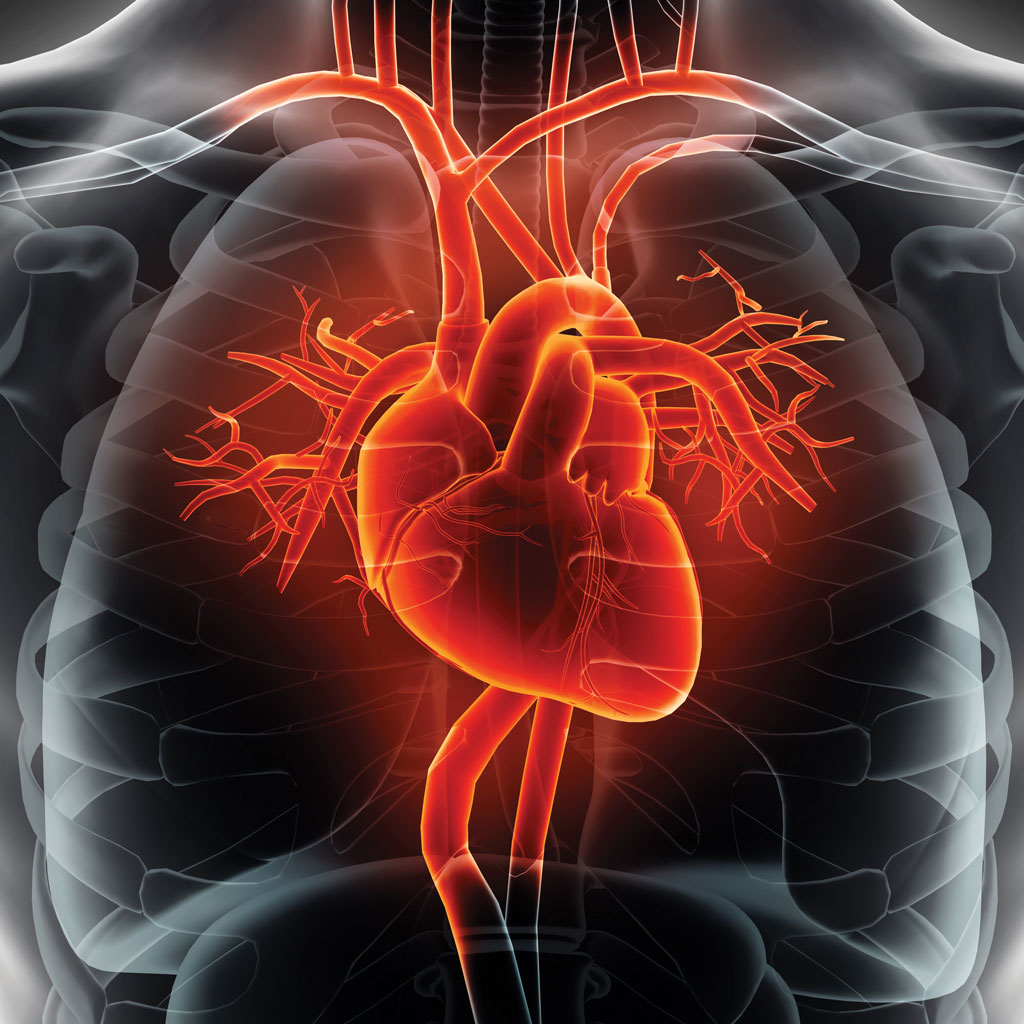
Heart disease remains the leading cause of death in the United States, and many people have no symptoms until a serious event like a heart attack occurs. A heart calcium score, also known as a coronary calcium score test, is a fast, non-invasive CT scan that can detect early signs of coronary artery disease before symptoms appear.
If you’re wondering whether this screening is right for you, here’s what you should know.
What Is a Heart Calcium Score Test?
A heart calcium score test is a specialized CT calcium score scan that measures the amount of calcified plaque inside the coronary arteries. Plaque buildup often contains calcium, and when it appears on a CT scan, it can be measured and assigned a numerical value. This number helps estimate your risk of future heart disease.
The higher the score, the greater the likelihood that coronary artery disease is present.
Unlike stress tests or cardiac catheterization, this exam is non-invasive, typically does not require IV contrast, takes approximately 10 minutes, and involves no downtime. It is one of the simplest ways to evaluate heart risk before symptoms appear.
How Does a CT Calcium Score Work?
The test uses a low-dose CT scan to take detailed images of your heart. Advanced imaging software identifies calcium deposits in the coronary arteries and calculates what’s called an Agatston score, which reflects the extent of plaque buildup.
A score of zero means no detectable plaque and a very low short-term risk of heart attack. Scores between 1 and 99 suggest mild plaque and low to moderate risk. Scores between 100 and 399 indicate moderate plaque and increased risk. A score of 400 or higher suggests significant plaque and a higher likelihood of coronary artery disease.
This objective measurement helps physicians decide whether lifestyle changes, cholesterol medication, or additional testing may be appropriate.
Who Should Get a Cardiac Calcium Score Screening?
A cardiac calcium score screening is often recommended for adults who may be at intermediate risk for heart disease, but are unsure whether they need more aggressive treatment.
You may benefit from a heart calcium score test if you:
- Are between the ages of 40 and 75
- Have high cholesterol
- Have high blood pressure
- Have a family history of heart disease
- Are a current or former smoker
- Have borderline cardiovascular risk
It’s especially helpful for patients who fall into a “gray area” where treatment decisions (like starting a statin) aren’t clear.
This test provides clarity.
What Are the Benefits of a Coronary Calcium Score Test?
One great thing about a coronary calcium score test is that it detects problems early. Heart disease can sneak up on you, but this scan spots plaque way before you feel anything.
The test is fast and easy. No needles, no sleeping pills, and you’re good to go right after. The radiation is low, like with most screenings.
Best of all, it helps doctors make better choices for you. They can look at your score to figure out what to do, instead of just guessing based on other things. For many patients, seeing a real score helps them take their health seriously.
Is a Heart Calcium Score Test Worth It?
Yes, it’s often the right move for some patients.
If you already know you have heart trouble, this test might not change things, but if you’re not sure about your risk, a coronary calcium score could be key. It tells you something big: Do I have plaque in my arteries?
Instead of just looking at cholesterol or family history, this scan gives you a clear look at early problems. Knowing this can help you make better, more forward-thinking choices about your heart.
Find a Calcium Score Near You
A heart calcium score test is a quick, simple CT scan that can detect early coronary artery disease, often before symptoms develop. For adults over 40 or those with cardiovascular risk factors, this screening may provide the clarity needed to take preventive action.
Schedule a calcium score at an RMI location near you.